

8 Misconceptions About Linoleum Flooring
By Carlos De Lira | April 21, 2026
Linoleum flooring has been around for generations, yet it continues to be misunderstood in today’s market. While some people still associate it with outdated designs or limited performance, the reality is that modern advancements have completely reshaped how this material looks and performs. From improved durability to expanded design options, linoleum has evolved into a practical and attractive choice for many homes and commercial spaces. Understanding the truth behind common misconceptions can help you make a more informed decision when selecting flooring that fits your lifestyle and long-term goals.
1. Rethink the Idea That Linoleum Flooring Is Outdated
The belief that linoleum flooring is outdated often comes from older design limitations that no longer apply. Today’s options include a wide range of colors, textures, and finishes that align with modern interior design trends. Homeowners can now choose styles that complement everything from minimalist spaces to bold, contemporary layouts. These updates make linoleum flooring a relevant and competitive option in today’s flooring market.
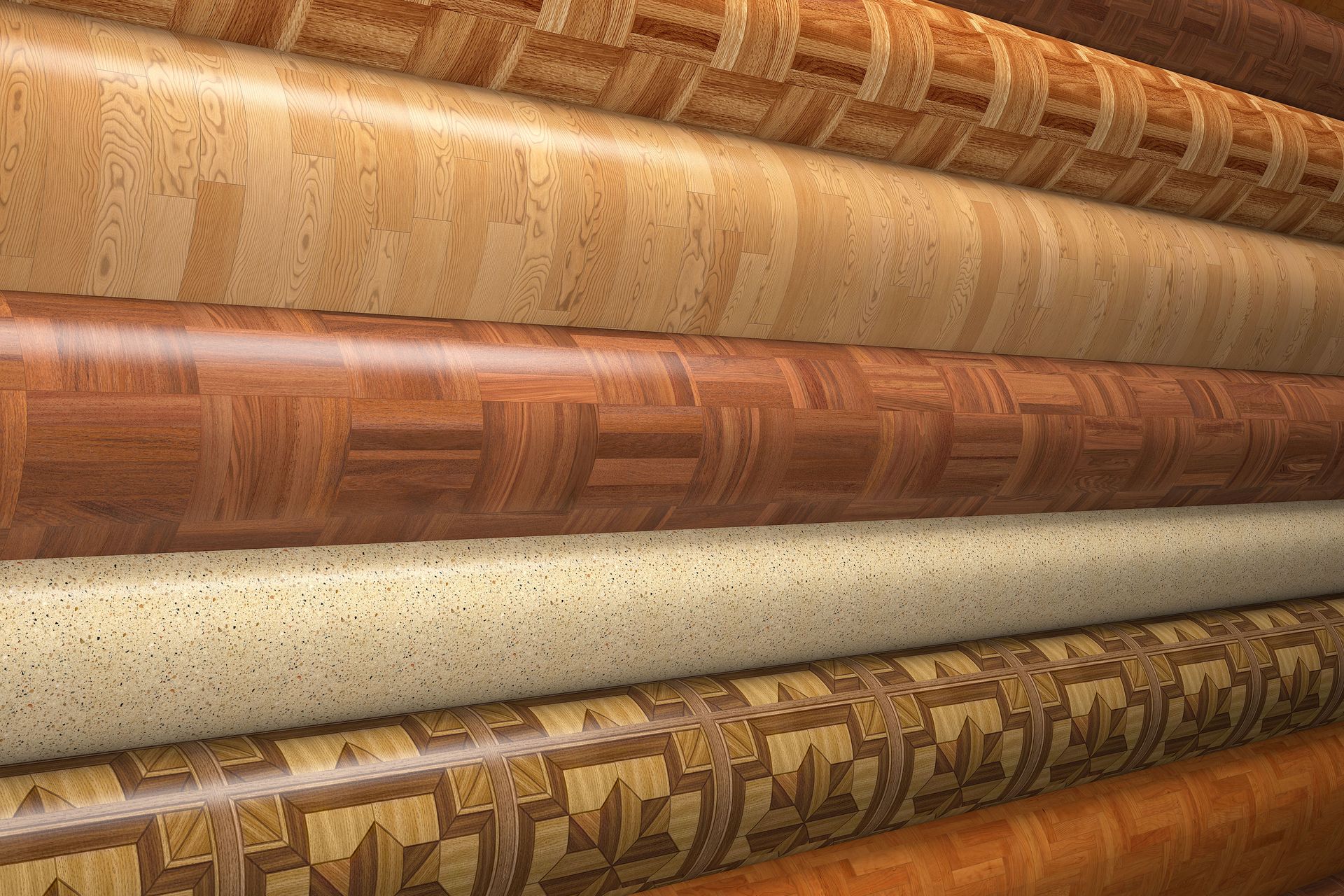
Advancements in manufacturing have also significantly improved the look and performance of this material. High-definition printing techniques allow it to mimic more expensive surfaces like wood or stone without the added cost or maintenance. At the same time, improved coatings enhance scratch resistance and longevity, making it a smart long-term investment. These innovations ensure that linoleum continues to evolve alongside other flooring solutions.
2. Differentiate Linoleum From Vinyl Flooring
A common misconception is that linoleum flooring and vinyl are essentially the same product, but they differ in both composition and environmental impact. Linoleum is made from natural materials like linseed oil, cork dust, and wood flour, while vinyl is a synthetic product derived from petroleum. This difference plays a major role in sustainability and indoor air quality. As a result, linoleum flooring is often preferred by those seeking eco-conscious options.
In addition to environmental differences, performance characteristics also vary. Linoleum tends to age gracefully, developing a natural patina over time, while vinyl may show wear more quickly in high-traffic areas. Maintenance is also straightforward with linoleum, requiring only routine cleaning to maintain its appearance. These distinctions highlight why it’s important to evaluate materials beyond surface similarities.
3. Simplify Maintenance Expectations
Many homeowners assume linoleum flooring requires complicated upkeep, but maintenance is actually simple and manageable. Regular sweeping and occasional damp mopping are typically enough to keep the surface clean and looking its best. Because the material is naturally resistant to dirt and bacteria, it supports a healthier indoor environment with minimal effort. This makes linoleum flooring especially appealing for busy households.
Avoiding harsh chemicals and using gentle cleaners can help preserve its finish over time. Periodic resealing may be recommended depending on usage, but this is not an overly demanding process. Compared to other flooring types that require refinishing or deep cleaning, linoleum stands out for its ease of care. With consistent maintenance, it can maintain its appearance for decades.
4. Recognize the Durability of Linoleum Flooring
Some people underestimate the durability of linoleum flooring, but its composition tells a different story. Made from resilient natural materials, it is designed to handle heavy foot traffic without losing its structural integrity. This makes it suitable for both residential and commercial environments where durability is essential. When properly installed, linoleum flooring can withstand years of daily use.
According to Fixr, 83% of homeowners prioritize durability when selecting new flooring for their homes, and linoleum aligns perfectly with that expectation. Its ability to resist wear, absorb impact, and maintain its appearance over time makes it a dependable option. Modern enhancements have further improved its resistance to scratches and fading, adding even more value. This durability ensures that linoleum remains a practical choice for long-term use.
5. Expand Your View of Design Possibilities
Another misconception is that linoleum flooring is limited in design, but current options prove otherwise. Modern manufacturing techniques allow for a wide variety of patterns, colors, and textures that suit nearly any design preference. Whether you prefer bold statement floors or subtle, neutral tones, there is a style available to match your vision. Linoleum flooring now competes directly with more expensive materials in terms of aesthetics.
Customization also plays a key role in its versatility. The material can be cut and shaped into unique layouts, allowing for creative flooring designs that enhance a space. Designers often use linoleum to create visually striking patterns or to complement other interior elements. This flexibility makes it a valuable option for both residential and commercial projects.
6. Embrace The Environmental Benefits
Some believe linoleum flooring is not environmentally friendly, but this couldn’t be further from the truth. Its natural composition makes it one of the most sustainable flooring options available today. Unlike synthetic alternatives, it is biodegradable and produced using renewable resources. This gives linoleum flooring a significantly smaller environmental footprint.
The manufacturing process has also improved to support eco-friendly practices. Many producers focus on reducing waste, conserving energy, and minimizing emissions throughout production. These efforts contribute to a more sustainable product lifecycle from creation to disposal. For homeowners who value environmentally responsible choices, linoleum stands out as a strong option.
7. Understand Long-Term Value and Cost
While linoleum flooring may have a slightly higher upfront cost compared to some alternatives, its long-term value often outweighs the initial investment. Its durability reduces the need for frequent replacement, saving money over time. Additionally, its low maintenance requirements help minimize ongoing costs associated with cleaning and repairs. This combination makes linoleum flooring a cost-effective solution in the long run.
When evaluating flooring options, it’s important to consider total lifecycle costs rather than just the purchase price. Linoleum’s ability to maintain its appearance and performance for decades adds to its overall value. Its eco-friendly properties may also contribute to long-term savings by supporting energy efficiency and healthier indoor air quality. These factors make it a well-rounded investment for many property owners.
8. Apply Linoleum Flooring in Versatile Spaces
Linoleum flooring is often associated with kitchens or older buildings, but its applications are far more versatile. It performs well in high-traffic areas such as hallways, offices, and retail environments due to its resilience. Modern improvements have also enhanced its resistance to moisture, expanding its usability in more areas of the home. This makes linoleum flooring a flexible choice for various settings.
Its natural antibacterial properties further increase its suitability for spaces where cleanliness is a priority. Schools, healthcare facilities, and commercial spaces frequently rely on linoleum for this reason. In residential settings, it offers a comfortable and durable surface that adapts to everyday life. These qualities highlight its ability to meet a wide range of needs.
Linoleum flooring continues to prove that many long-held assumptions are simply outdated. With advancements in design, durability, and sustainability, it offers a well-balanced solution for modern homes and businesses. By separating fact from fiction, it becomes clear that this material delivers both performance and visual appeal in ways that rival other flooring options. Whether you’re renovating a single room or planning a larger project, understanding these benefits can help guide your decision.
If you’re considering upgrading your floors, Athens Custom Flooring/A1 Floors of Hampton Roads is ready to help you explore options that fit your style, budget, and long-term goals. With services ranging from flooring installation to painting, fireplaces, bathroom remodeling, and staircases, we offer comprehensive solutions tailored to your space. Contact us today for a free estimate and see how our team can bring your vision to life across Virginia Beach and the Hampton Roads area.

Share On: